
Getting rid of an old refrigerator or freezer? Before a fridge or freezer is recycled, scrapped, dismantled or disposed of, the refrigerant in its sealed system should be properly recovered by an appropriately certified technician. B&M Canada Appliances provides professional refrigerant recovery for homes and businesses across Ottawa and Gatineau. Call 613-301-0016 for a quote.
Serving Ottawa-Gatineau since 1995 • English and French • Recovery with proper recovery equipment, never venting • Every job quoted before we book it
📞 Call for a Refrigerant Recovery Quote
✉️ Request a Quote
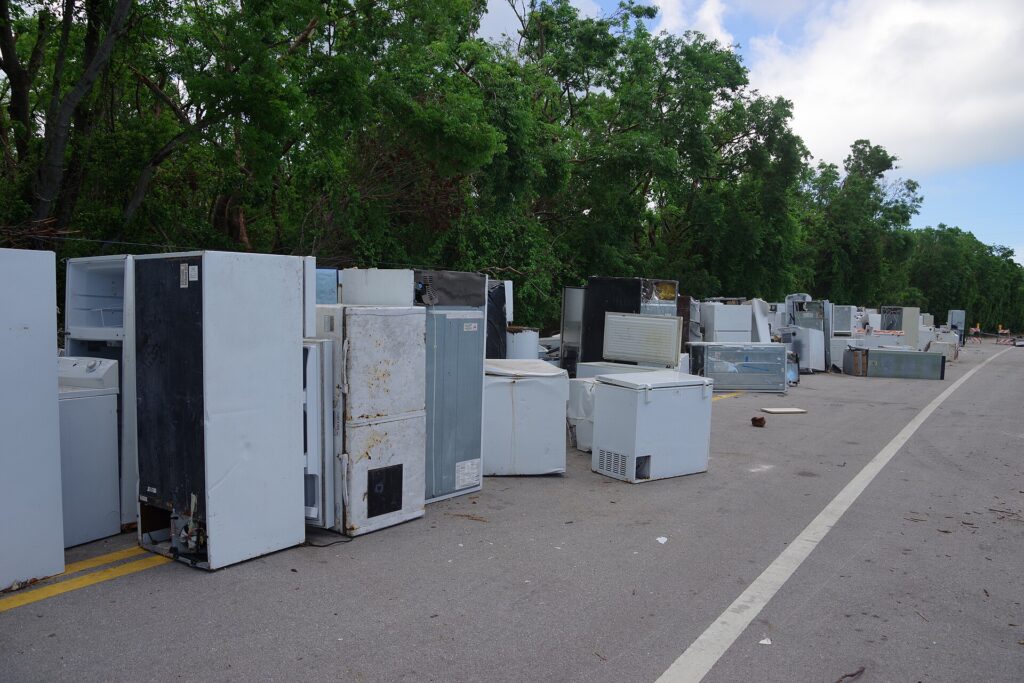
What is refrigerant recovery?
Every refrigerator and freezer keeps food cold by pumping a refrigerant through a closed loop of tubing: the compressor, the condenser coils, the evaporator and the lines that join them. That loop is called the sealed system. The refrigerant stays inside it for the life of the appliance, and it is usually still there when the appliance stops working.
Refrigerant recovery means removing that refrigerant from the sealed system with dedicated recovery equipment and transferring it into an approved recovery cylinder, so it does not escape into the air. Many people call this “Freon removal.” Freon is a brand name that people use for all refrigerants, the way people say Kleenex for tissues. The refrigerant in your appliance may be a CFC such as R-12 in very old units, an HFC such as R-134a in many fridges from the 1990s to the 2010s, or a hydrocarbon such as R-600a (isobutane) in many newer models. The rating plate inside the fridge usually tells us which one it is.
Other names people use for this service
Customers describe the same job in many different ways, and all of them mean getting the refrigerant out of the appliance safely before it goes anywhere:
- Freon removal, fridge Freon removal, refrigerator Freon removal, Freon recovery or “taking the Freon out of a fridge”
- Refrigerant removal, refrigerant recovery, refrigerant evacuation or refrigerant extraction
- Removing the gas from a fridge, fridge gas removal, “degassing” a refrigerator or getting the gas out of an old fridge before recycling
- Compressor gas removal, refrigerator compressor refrigerant removal or fridge compressor refrigerant recovery
- CFC removal, R-12 removal, R-134a removal or halocarbon refrigerant recovery
- Refrigerator recycling preparation, refrigerator disposal preparation or appliance decommissioning
- In French: récupération de réfrigérant, retrait du fréon, dégazage de réfrigérateur or vidange du réfrigérant avant le recyclage
Whatever you call it, if you are searching for Freon removal near you in Ottawa or Gatineau, this is the service, and the first step is a call to 613-301-0016.
Refrigerants you may find in an old fridge or freezer
| Refrigerant | Type | Where you usually find it |
|---|---|---|
| R-12 | CFC (the original “Freon”) | Older refrigerators and freezers, generally built before the mid-1990s |
| R-134a | HFC | Many household fridges and freezers from the mid-1990s onward |
| R-22 and other HCFCs | HCFC | Less common in home fridges; found more in older air conditioners and commercial equipment |
| R-600a (isobutane) | Hydrocarbon | Many newer refrigerators, freezers and compact units |
| R-290 (propane) | Hydrocarbon | Some newer commercial display coolers and freezers |
These are general patterns, not rules, because manufacturers changed refrigerants at different times. The rating plate, usually inside the fresh-food section or on the back of the unit, lists the refrigerant and the charge (for example “R-134a, 4.2 oz”). A photo of that plate helps us quote. If the plate is missing or unreadable, the technician identifies the refrigerant on site.
Why refrigerant should be recovered before recycling or disposal
Older refrigerants such as CFCs and HCFCs damage the ozone layer, and HFCs are powerful greenhouse gases. That is why Ontario and Quebec both regulate how these refrigerants are handled, and why refrigerant should be properly recovered before refrigeration equipment is recycled or disposed of, in accordance with applicable environmental and refrigerant-handling requirements.
- Ontario (Ottawa): Ontario Regulation 463/10 prohibits discharging CFC, HCFC and HFC refrigerants into the environment. Before refrigeration equipment that has contained one of these refrigerants is dismantled, recycled or taken to a landfill, it must carry a notice from a person certified under the regulation confirming that no refrigerant remains.
- Quebec (Gatineau): Quebec’s Regulation respecting halocarbons requires the halocarbons in a refrigeration unit to be recovered before the unit is disposed of or reclaimed, and only workers holding the required environmental qualification attestation may purge or dismantle these systems. After recovery, the unit is labelled as emptied of halocarbons.
Hydrocarbon refrigerants such as R-600a are not covered by those halocarbon rules, but they are flammable, so a sealed system should still be opened only by a trained technician using the correct procedure. Rules and drop-off requirements can also differ between the City of Ottawa, the Ville de Gatineau, scrap dealers and recyclers, so check with the facility that will receive the appliance.
When our technician completes a recovery, the appliance is tagged with the notice required in Ontario or the label required in Quebec, so you can show the recycler, scrap dealer or disposal site that the refrigerant has been removed.
Please don’t try to release refrigerant yourself
We get this call often: someone has an old fridge in the garage, wants to scrap it or keep the compressor, and asks whether they can just cut a line. Please don’t.
- Do not cut the refrigeration lines or puncture the system to let the refrigerant out.
- Do not intentionally vent refrigerant into the air, indoors or outdoors.
- Do not attempt refrigerant recovery without the qualifications, certification, recovery equipment and procedures the work requires.
Liquid refrigerant escaping from a cut line can cause frostbite and eye injuries, can displace air in a small room, and in newer units can be flammable. In Ontario, discharging regulated refrigerants is prohibited, and Quebec requires halocarbons to be recovered before an appliance is disposed of. If you are preparing an appliance for recycling, the safe and simple route is to call us and let a certified technician do the recovery.
📞 Need Refrigerant Removed Before Recycling? Call 613-301-0016
Why a certified technician is needed
B&M’s refrigerant recovery is done by our own certified technician, so the person who recovers the refrigerant is also the person who can sign the notice or label afterwards. Beyond the legal side, the job needs equipment most homeowners don’t have: a recovery machine, a certified recovery cylinder, a scale, gauges and access fittings that can be installed on sealed tubing without letting refrigerant escape. The recovered refrigerant then has to go back to a refrigerant wholesaler or another authorized destination, not into the garbage.
Refrigerators and freezers we recover refrigerant from
We work on refrigeration appliances of different sizes, brands, models and configurations, including:
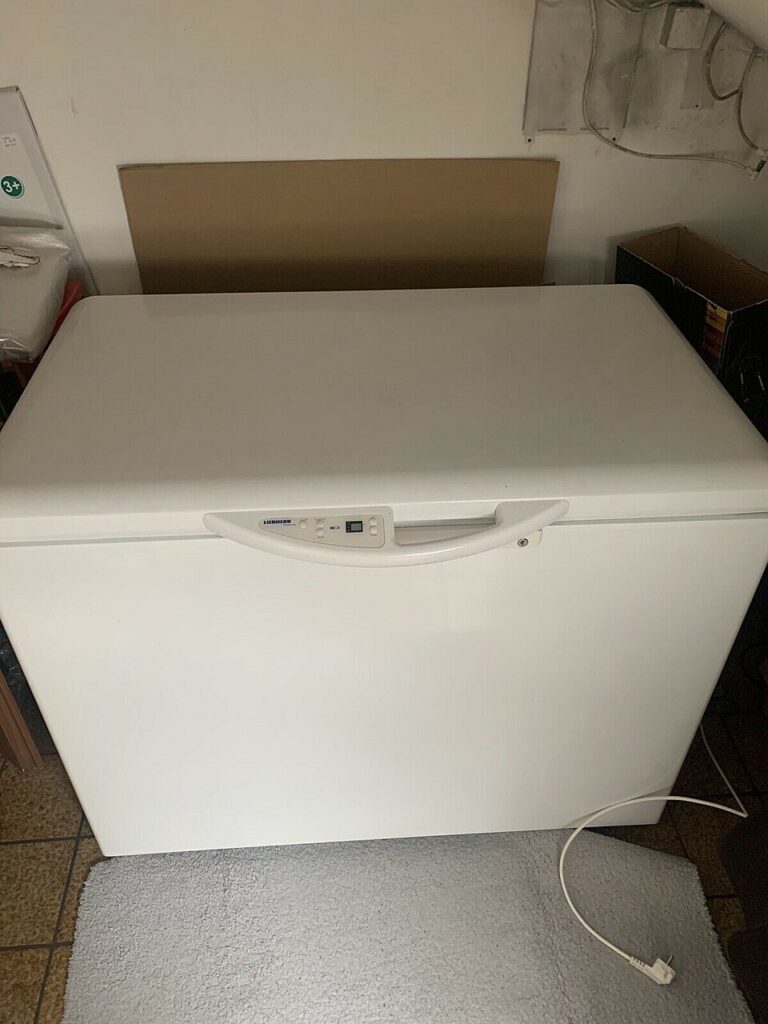
- Standard, top-freezer and bottom-freezer refrigerators
- French-door and side-by-side refrigerators
- Built-in and counter-depth refrigerators
- Compact, mini and bar refrigerators
- Upright freezers and chest freezers
- Refrigerator/freezer combinations
- Commercial-style refrigerators and freezers, where applicable
- Older refrigerators and newer models, working or not
- Open-box and damaged units that won’t be sold or repaired
- Garage and basement fridges, second fridges and cottage fridges
- Apartment-size and dorm fridges
Other appliances also have a sealed refrigerant system, such as wine coolers, beverage centres, kegerators, stand-alone ice makers, water coolers, dehumidifiers and window or portable air conditioners. Tell us what you have and we’ll confirm whether we can take care of it before we book anything.
We see all the common brands, including Whirlpool, Frigidaire, GE, LG, Samsung, Maytag, KitchenAid, Kenmore, Bosch and Electrolux. Because every appliance is different, we confirm the details before quoting, and the technician assesses the refrigeration system on site before recovering anything. We don’t promise that every unit can be serviced without that inspection.
Preparing a fridge or freezer for recycling, scrap or disposal
Most of our refrigerant recovery calls come from homeowners who are replacing an appliance, clearing out a basement or garage, renovating a kitchen, or emptying a rental unit or an estate. Getting the refrigerant recovered is usually the step that decides where the appliance can go next. Once the recovery is done, you can continue with the recycling, scrap or disposal option you have chosen.
Replacing the old unit? We also handle refrigerator installation in Ottawa and appliance installation in Gatineau. Not sure it’s worth replacing? Read our repair-or-replace guide for fridges or check typical fridge repair costs in Ottawa first. A fridge that only needs a repair may not need to be recycled at all. If the problem is in the sealed system (compressor, refrigerant leak or a system that no longer cools), our sealed-system diagnostic is $159 + tax, and it is free if you go ahead with the repair. The technician or our office quotes the repair before any work starts.
How to get rid of an old fridge or freezer in Ottawa or Gatineau
People searching for old fridge disposal, fridge recycling, freezer disposal or “how do I get rid of my old refrigerator” usually have a few options. Whichever one you choose, refrigerant recovery comes first unless the appliance is going to be used again:
- Buying a new fridge? Ask the retailer whether they take the old one away when they deliver, and what they need from you.
- Scrap metal dealers and recyclers accept old refrigerators and freezers for the steel, copper and compressor. Ask them what proof of refrigerant recovery they require. Our tag or label is designed for exactly this.
- Municipal options: the City of Ottawa and the Ville de Gatineau each have their own rules for refrigerators, freezers and other refrigerant-containing appliances. Check their current requirements and fees before you take a unit anywhere.
- Still working? A fridge in good shape can be sold, donated or moved to the garage instead of being recycled. No refrigerant recovery is needed while it stays in use.
A safety note: never leave an unused fridge or freezer where children can get inside, especially older models with latching doors. Keep the doors taped shut or secured until it is picked up.
Preparing for the technician’s visit
- Unplug the appliance and empty it. Take out food, shelves and loose drawers if you can.
- Clear a path so the technician can reach the back of the unit, where the compressor and service access are.
- Tell us where it is: kitchen, basement, garage, balcony, storage unit or job site, and whether there are stairs.
- Send a photo of the rating plate if you can. It shows the refrigerant type and the charge.
- Tell us if the unit is damaged, if the tubing has already been cut or bent, or if you see oil under the compressor. The technician will check what refrigerant remains and handle it properly.
Refrigerant recovery, recharging or repair: which one do you need?
Refrigerant recovery is for an appliance that is leaving service: it is being recycled, scrapped, dismantled or disposed of. Sealed-system repair is for an appliance you want to keep. That can mean finding and fixing a leak, replacing a compressor, or evacuating and recharging the system. Repairs start with refrigerant recovery as well, because the refrigerant has to be removed before a sealed system can be opened.
If you’re not sure whether your fridge is worth fixing, call us first. A sealed-system diagnostic is $159 + tax and is free if you go ahead with the repair. If the repair doesn’t make sense, we can recover the refrigerant so the appliance is ready to recycle.
Refrigerator compressor refrigerant recovery
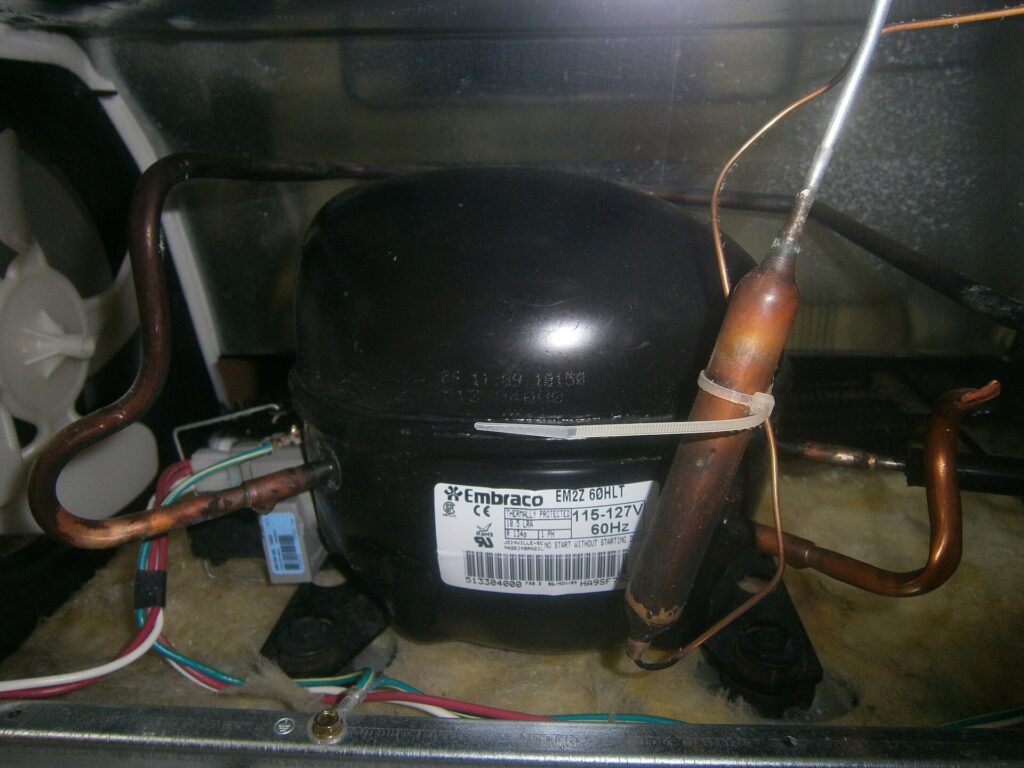
A lot of people keep an old fridge because they want to recycle the compressor or scrap the metal. The compressor is the black, dome-shaped unit at the bottom back of the fridge, and it is part of the sealed refrigeration circuit. That circuit, including the compressor, can still contain refrigerant and compressor oil even if the fridge hasn’t run in years or no longer cools.
That is why refrigerant recovery should be done before the appliance is dismantled or the compressor is removed for recycling. Our technician recovers the refrigerant from the whole circuit through the proper service access, so the unit can then be prepared for scrap or recycling. If you are preparing a refrigerator for compressor recycling, call us first. Please don’t open, puncture or cut into the compressor or its lines yourself.
How our refrigerant recovery service works
- Contact B&M. Call 613-301-0016 or send us a message.
- Tell us about the appliance. The type (fridge, freezer, chest freezer, bar fridge), how many units, where it is (kitchen, basement, garage, job site) and the model or rating-plate details if you can see them. A photo helps.
- We give you a quote. Pricing depends on the appliance and the job, so our technician or our office quotes it before anything is booked.
- We schedule our certified technician at a time that works for you.
- The technician assesses the refrigeration system and identifies the refrigerant.
- The refrigerant is properly recovered into an approved recovery cylinder using recovery equipment.
- The appliance is handled and documented according to the applicable requirements.
- You continue with recycling or disposal through the option you have chosen.
📞 Call B&M for a Refrigerant Recovery Quote ✉️ Contact Us for Refrigerant Removal
Refrigerant recovery in Ottawa
Our Ottawa location is at 1755 Frobisher Lane, and our technicians cover the city, from downtown Ottawa and Westboro to Vanier, Nepean, Kanata, Stittsville, Barrhaven, Gloucester, Orléans and Cumberland, plus Rockland to the east. The same team handles refrigerator repair in Ottawa and freezer repair, so if the appliance turns out to be worth saving, we can tell you.
Refrigerant recovery in Gatineau
Our Gatineau location is at 15 Boulevard Fournier, Unit 03, and we serve Hull, Aylmer, Buckingham, Chelsea, Cantley, Masson-Angers and the rest of Gatineau, in English or French. For repairs on the Quebec side, see our Gatineau fridge repair service or réparation de réfrigérateur à Gatineau. You can find all the areas we cover on our Ottawa and Gatineau service areas page.
En français : B&M Canada Appliances offre la récupération de réfrigérant (retrait du fréon) pour les réfrigérateurs et congélateurs à Gatineau avant le recyclage, la mise à la ferraille ou l’élimination. La récupération est faite par notre technicien certifié, avec l’étiquette exigée au Québec. Appelez le 613-301-0016 pour une soumission.
Businesses, landlords and commercial refrigeration
Property managers, landlords, contractors and businesses often have several units to clear at once: a renovation, a unit turnover, or a store replacing its display coolers. Tell us how many appliances and where they are, and we’ll quote the job as a whole. For commercial equipment still in service, see our commercial refrigerator repair and commercial freezer repair pages.
Refrigerant recovery FAQ
Do I need to remove refrigerant before recycling a refrigerator?
Refrigerant should be properly recovered before a refrigerator is recycled or disposed of. In Ontario, a fridge that has contained a CFC, HCFC or HFC refrigerant needs a notice from a certified person confirming no refrigerant remains before it is dismantled, recycled or landfilled. In Quebec, halocarbons must be recovered before the unit is disposed of or reclaimed. Your recycler may also have its own requirements.
Who can remove Freon from a refrigerator?
A technician with the certification required in that province, using proper recovery equipment. In Ontario that is a person certified under O. Reg. 463/10; in Quebec it is a worker holding the environmental qualification attestation. At B&M, this work is done by our own certified technician.
Can I remove Freon from my fridge myself?
No. Cutting lines or puncturing the system releases refrigerant into the air. In Ontario, discharging regulated refrigerants is prohibited, and in Quebec halocarbons have to be recovered before disposal. It can cause frostbite, eye injuries or, with newer refrigerants, a fire hazard. Call a certified technician instead.
What happens to the refrigerant in an old refrigerator?
It is recovered into an approved recovery cylinder and sent back to a refrigerant wholesaler or another authorized destination for recycling, reclaiming or destruction. It is not vented or thrown away.
Does a refrigerator still contain refrigerant when it no longer works?
Usually, yes. A fridge that stops cooling often has a failed compressor, fan, control board or defrost part, and the refrigerant is still sealed inside. Even a fridge with a slow leak usually still holds some refrigerant. Only a technician with gauges can confirm it.
Does a broken refrigerator still have refrigerant?
In most cases, yes. A broken door, cracked shelf, dead light or failed control has nothing to do with the sealed system, so the refrigerant is still there. Treat any old fridge or freezer as if it still contains refrigerant until a technician confirms otherwise.
Does a refrigerator compressor contain refrigerant?
The compressor is part of the sealed refrigeration circuit, so it can contain refrigerant and oil. Refrigerant should be recovered from the whole circuit before the compressor is removed or the appliance is dismantled.
Can I scrap a refrigerator without removing the refrigerant?
In Ontario, a fridge that has contained a regulated refrigerant should not be dismantled, recycled or landfilled until a certified person has confirmed that no refrigerant remains and attached the required notice. In Quebec, the refrigerant must be recovered before the unit is disposed of or reclaimed. Many scrap dealers and recyclers also ask for proof. Arrange recovery first.
Can B&M remove refrigerant before recycling?
Yes. That’s exactly what this service is for. Call 613-301-0016 and tell us about the appliance, and we’ll give you a quote.
Do you remove refrigerant from freezers?
Yes, including upright freezers, chest freezers and fridge/freezer combinations.
Do you service older refrigerators?
Yes. Older fridges and freezers are some of the most important units to recover properly, because many older models contain CFC or HCFC refrigerants. The technician confirms the refrigerant type on site.
Do you service different refrigerator brands?
Yes. Refrigerant recovery works the same way on all the common brands, including Whirlpool, Frigidaire, GE, LG, Samsung, Maytag, KitchenAid, Kenmore, Bosch and Electrolux.
How do I arrange refrigerator refrigerant recovery?
Call 613-301-0016 or use our contact page. Tell us the appliance type, how many units, where they are and, if possible, the model details or a photo of the rating plate. We’ll quote the job and schedule a technician.
How do I get the gas out of an old fridge before recycling?
Book a certified technician. The “gas” is the refrigerant in the sealed system, and it has to be recovered with recovery equipment into an approved cylinder, not released. Don’t cut lines or puncture the compressor. Call 613-301-0016 and we’ll arrange it.
Is Freon the same thing as refrigerant?
Freon is a brand name for a family of refrigerants, and many people use it for all of them. Your fridge might contain R-12, R-134a, R-600a or another refrigerant. The recovery service is the same; the technician identifies which one is in the unit.
Do newer refrigerators still use Freon?
Many newer refrigerators use R-600a (isobutane) instead of the older CFC or HFC refrigerants. It is flammable, so the sealed system should still be opened only by a trained technician using the correct procedure.
Does a mini fridge or bar fridge have refrigerant?
Most do. Compact, mini and bar fridges with a compressor have a sealed refrigerant system, just like a full-size fridge. Some very small units use thermoelectric cooling instead and have no refrigerant; the technician can tell you which kind you have.
Does a chest freezer have refrigerant?
Yes. Chest freezers and upright freezers have a compressor and a sealed refrigerant system, and the refrigerant should be recovered before the freezer is recycled or scrapped.
Do wine coolers, dehumidifiers and air conditioners contain refrigerant?
Compressor-type wine coolers, beverage centres, dehumidifiers, water coolers and window or portable air conditioners all have a sealed refrigerant system. Tell us what you have and we’ll confirm whether we can take care of it.
What is the difference between refrigerant recovery, recycling and reclaiming?
Recovery means removing the refrigerant from the appliance and storing it in a cylinder. Recycling means cleaning recovered refrigerant for reuse. Reclaiming means reprocessing it to a new-product standard. For a household appliance going to scrap, recovery is the step you need.
What if the refrigerant lines were already cut?
Tell us when you call. Some or all of the refrigerant may already have escaped, but the technician should still check the system, recover whatever remains and document it.
How long does refrigerant recovery take?
Most household refrigerators and freezers are handled in a single visit. The time depends on the size of the unit, the refrigerant and how easy it is to reach. We’ll give you an idea when we quote.
Can you recover refrigerant from several appliances in one visit?
Yes. Landlords, property managers, contractors and families clearing out a home often have several units. Tell us how many and where they are, and we’ll quote the whole job.
Do you take the old fridge away?
This page covers refrigerant recovery. If you also need the appliance moved or taken away, mention it when you call and we’ll tell you what we can arrange.
Where can I recycle a refrigerator in Ottawa or Gatineau?
Options include your retailer’s haul-away when you buy a new fridge, scrap metal dealers and recyclers, and municipal programs. The City of Ottawa and the Ville de Gatineau publish their current rules. Have the refrigerant recovered first so the appliance is accepted.
Do you offer the service in French in Gatineau?
Oui. Our team serves Gatineau, Hull, Aylmer and Buckingham in French and English. Appelez le 613-301-0016 pour une soumission de récupération de réfrigérant.
How much does refrigerant removal cost?
Pricing for refrigerant recovery depends on the appliance and the service requirements, such as how many units there are, where they are and what type of system is involved. Our technician or our office will give you a quote, so contact B&M Canada Appliances first. If you want a sealed-system problem diagnosed for repair instead, the diagnostic is $159 + tax and is free if you go ahead with the repair.
Need refrigerant removed before recycling a fridge or freezer? Contact B&M.
📞 Call 613-301-0016 ✉️ Request a Quote
Information on this page is general and reflects Ontario Regulation 463/10 and Quebec’s Regulation respecting halocarbons (Q-2, r. 29) as of September 2026. It is not legal advice. Municipal and recycler requirements vary, so check with the facility that will receive the appliance.
Ottawa appliance repair · Gatineau appliance repair · Appliance installation Ottawa · Contact